

Southbound: Photographs of and about the New South, a 2018 publication by the Halsey Institute of Contemporary Art at the College of Charleston, has been chosen as the winner of the 2019 Alice Award.
The Alice Award is granted by Furthermore grants in publishing, a program of the J.M. Kaplan Fund, with a top prize of $25,000. Southbound was chosen as the winner out of over 120 submissions received in 2019.
The Southbound book was published in 2018 to accompany the Halsey’s exhibition of the same name, a collection of 56 photographers’ visions of the South over the first decades of the 21st century. Stories accompany the photos to provide the reader with a sense of place.
READ THE FULL STORY [+]
A 2018 book of photographs of the South by the Halsey Institute of Contemporary Art at the College of Charleston has won the 2019 Alice Award, a $25,000 prize given annually by Furthermore to a richly-illustrated book that “makes a valuable contribution to its field and demonstrates high standards of production.”
The book, Southbound: Photographs of and about the New South, accompanied the Halsey Institute’s 2018 exhibition of the same name. The book was edited and included an introduction by the exhibition curators, Mark Sloan and Mark Long, and designed by Gil Shuler Graphic Design. The catalogue contains contributions by Nikky Finney, Eleanor Heartney, William Ferris, John T. Edge and Rick Bunch. The Southbound project comprises 56 photographers’ visions of the South over the first decades of the 21st century. The photographs are accompanied by stories that provide the reader with a sense of place.
READ THE FULL STORY [+]The Halsey Institute of Contemporary Art at the College of Charleston has won the 2019 Alice Award for its book “Southbound: Photographs of and about the New South,” published in conjunction with a sprawling and landmark exhibition that opened in October last year.
The volume was one of three finalists, and 120 total submissions, for the award and accompanying $25,000 prize from Furthermore Grants in Publishing, a program of the J.M. Kaplan Fund. Shortlisted titles win $5,000.
READ THE FULL STORY [+]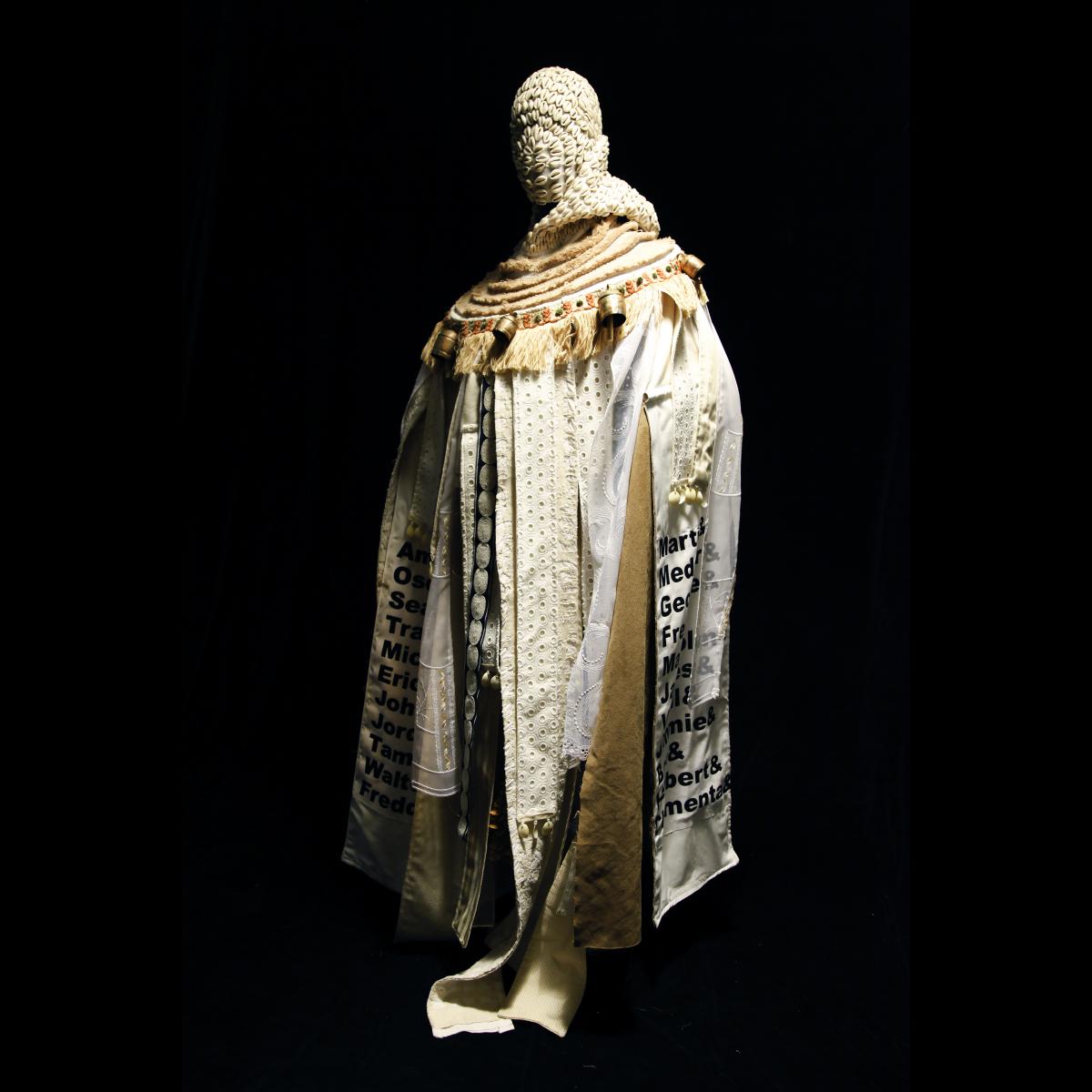
Artist Fahamu Pecou has been wrestling with stereotypes of black masculinity for his entire life. No matter how many degrees he earned or what job he had, he had the sense that he was only seen as a black body.
He has always used art as a way to push back, but for a long time he did not touch one particularly charged topic: police-involved shootings of black men. That changed in 2015, after a police officer shot and killed Walter Scott, a black man in Charleston. Pecou started work on a series called “Do or Die: Affect, Ritual, Resistance.” It debuted in 2016, and since then it has traveled around the country. Pecou incorporates the rituals of the West African Yoruba religion of Ifa into his work, like the ancestor honoring ceremony known as the egungun tradition.
READ THE FULL STORY [+]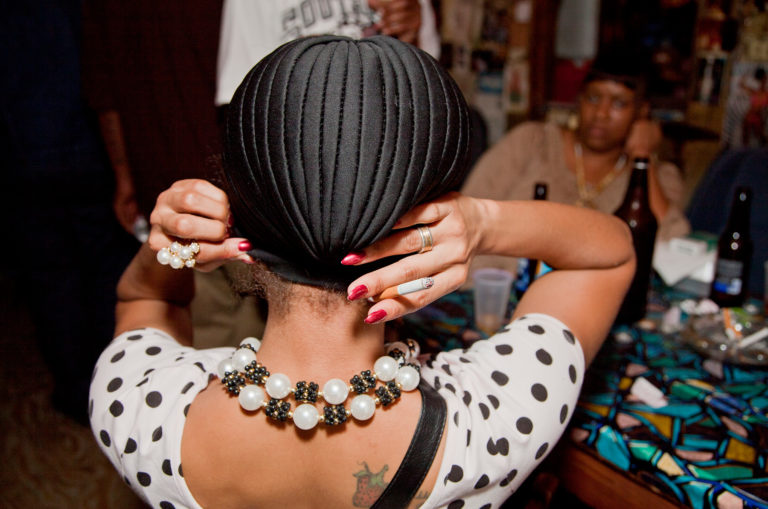
The Alice Award, a financial award of twenty-five thousand dollars to a richly illustrated book that “makes a valuable contribution to its field and demonstrates a high standards of production” will be presented this October to Southbound: Photographs of and about the New South, published in 2019 to accompany the exhibition of the same namethat opened at the Halsey Institute of Contemporary Art in Charleston, South Carolina, last year. The award is given annually by Furthermore, a program of the J.M Kaplan Fund.
READ THE FULL STORY [+]This year’s winner of the Alice Award has been announced: Southbound: Photographs of and about the New South. Southbound contains fifty-six photographers’ visions of the South over the first decades of the twenty-first century. It was published to accompany an exhibition at the Halsey Institute of Contemporary Art, College of Charleston, South Carolina, which is currently traveling to several art museums around the country. (Check here for current venues.)
For several years now we’ve been covering the Alice Award, an annual $25,000 prize for superior illustrated books sponsored by Futhermore grants in publishing, a program of the J.M. Kaplan Fund. We also published a profile of the president of Furthermore, philanthropist Joan K. Davidson. The Alice Award is a worthy endeavor that deserves celebration each and every time.
READ THE FULL STORY [+]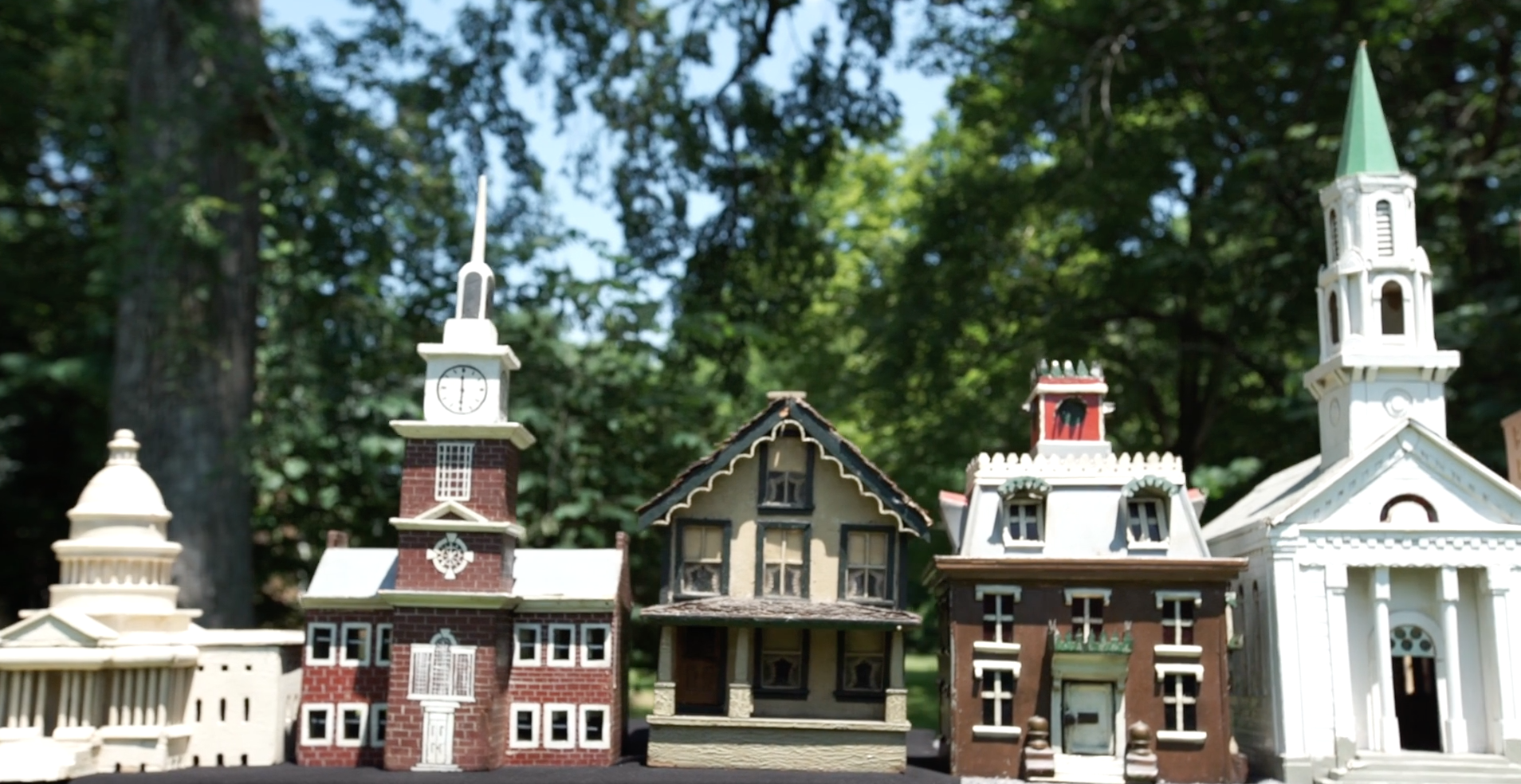
The Halsey Institute hosts an evening focusing on the history of American folk art buildings. Guests will watch a short film and listen to two “avid” collectors, W. Steven Burke and Randy Campbell. They’ll share their handmade world, featuring diminutive churches, movie theaters, houses, schools, factories, bowling alleys, and more, made during the 19th and early 20th centuries out of materials like tin and wood — and even cigar and Velveeta boxes. There will be some examples from the collection present so you can get up close and personal with the buildings.
READ THE FULL STORY [+]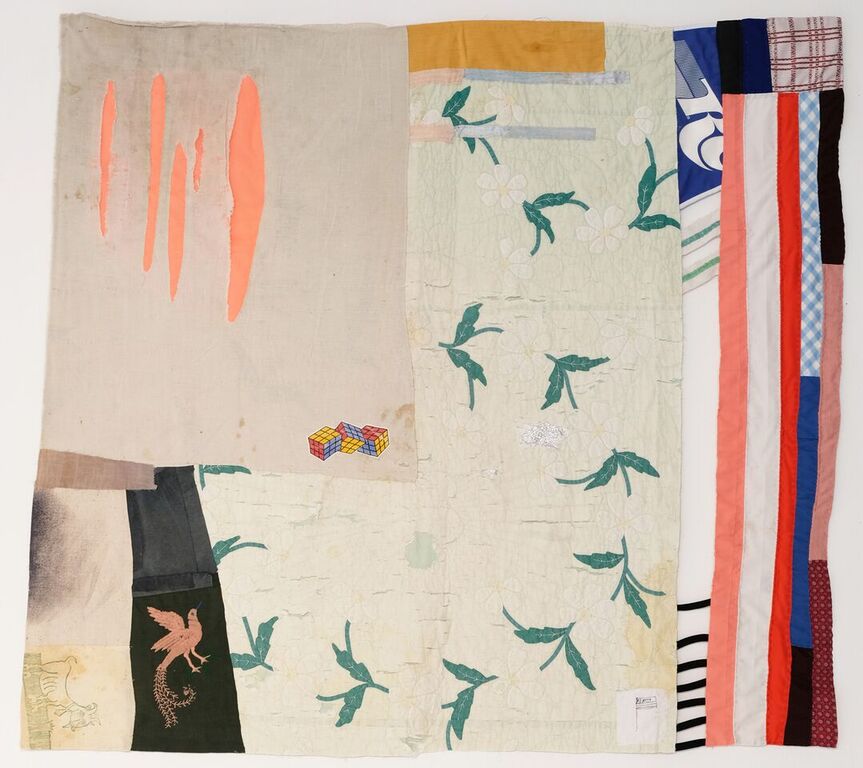
In our monthly feature Take Five, Burnaway highlights five artists we’re excited about who are working in the South or are from the region. The second edition of this series focuses on artists working in a medium with strong historical and material ties to Southern culture and craft: textiles. From the generations-long tradition of quiltmaking in Gee’s Bend, Alabama, to the contributions of indigenous and South American people to textile design, textiles have long been associated with gendered forms of so-called “women’s work” and folk traditions—an interpretative gesture that has often worked to exclude such artworks from the realms of museums and galleries. Contemporary Southern artists draw upon and recontextualize these complicated histories while also incorporating the influences of photography, abstract painting, and sculpture into their quilts and other textile works.
…
Born and raised in the textile town of Columbus, Georgia, artist Coulter Fussell attributes her approach to artmaking to the dual influences of her mother, a lifelong quilter, and her father, who worked as a museum curator throughout her childhood. Incorporating appropriated graphic elements amid abstract compositions, Fussell employs a visual language that owes as much to contemporary painting as it does quilt-making conventions. While working as a server in Oxford, Mississippi—a job she’s held for most of her life—Fussell also operates her studio and a store, Yalorun Textiles, in the nearby town of Water Valley. A 2019 United States Artists fellow, Fussell is set to open at a solo exhibition, The Raw Materials of Escape, at the Halsey Institute for Contemporary Art in Charleston, South Carolina, in early 2020.
READ THE FULL STORY [+]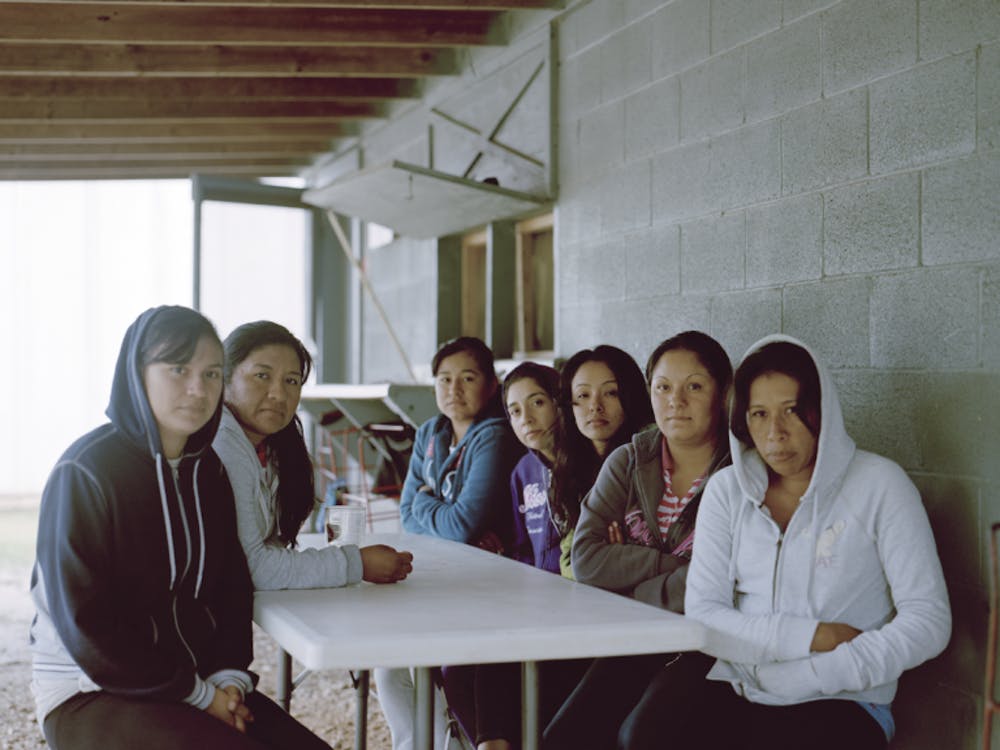
The American South is an ever-changing landscape, its growing communities and dynamic businesses pushing the region away from strict definitions. With a dark history and rich culture, it’s convenient to describe the South as nothing more than a land of sweet tea and bitter discrimination. The New South, however, presents a progressive transformation from 19th-century Dixie. This fall, “Southbound: Photographs of and about the New South” illustrates the heartbreaking stories of the past and pluralistic identity of the present.
There are two installations of the “Southbound” exhibit: “Flux: Nostalgia vs. the Future,” presented in Durham’s Power Plant Gallery, and “Home: How We Make Ourselves,” located in NC State’s Gregg Museum. The two installations work in conjunction to highlight the comforts of Southern culture as well as the similarities between its dynamic past and hopeful present.
READ THE FULL STORY [+]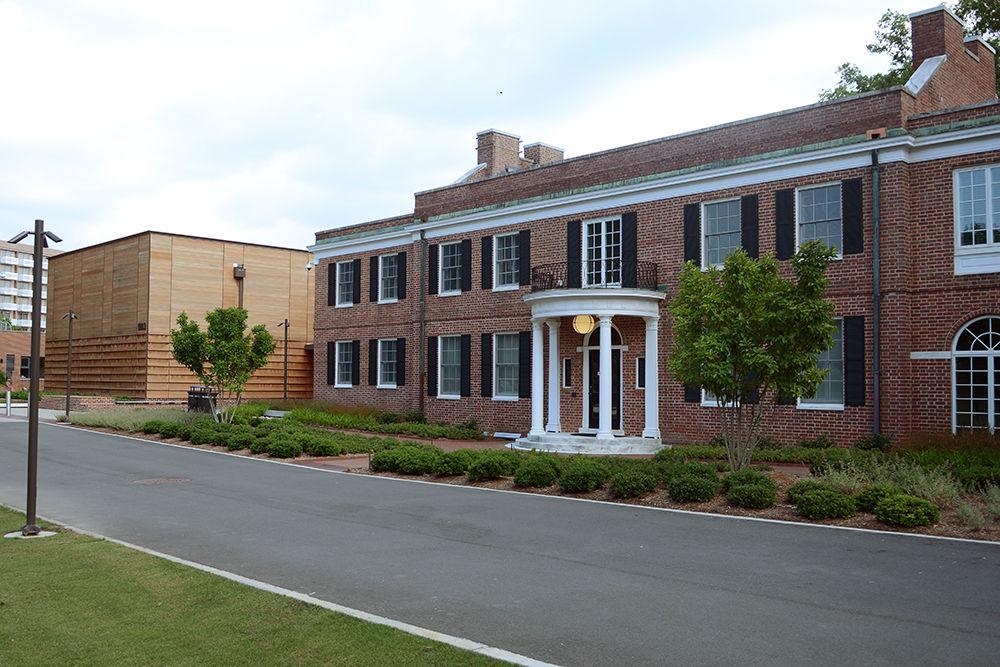
On Sept. 5, the Gregg Museum of Art & Design opened a new exhibition, “Southbound: Photographs of and about the New South.” This exhibition is organized by the Halsey Institute of Contemporary Art and focuses on the ever-changing American South. Through photographs, the exhibit highlights the plethora of perspectives and experiences people have with the southern region.
Evelyn McCauley, marketing & communications coordinator at the Gregg, said at the gallery opening that the particular exhibition presented at the Gregg is titled “Home: How We Make Ourselves.”
“I would say [the exhibit] is an examination of how the South has changed, what we might think of collectively when we think of the South in the United States, and also probably some personal reactions,” McCauley said.
Although originally curated by Mark Long and Mark Sloan of the Halsey Institute, the Gregg worked with a local guest curator, Randall Kenan, an English professor at the University of North Carolina at Chapel Hill, to create their exhibit.
READ THE FULL STORY [+]