
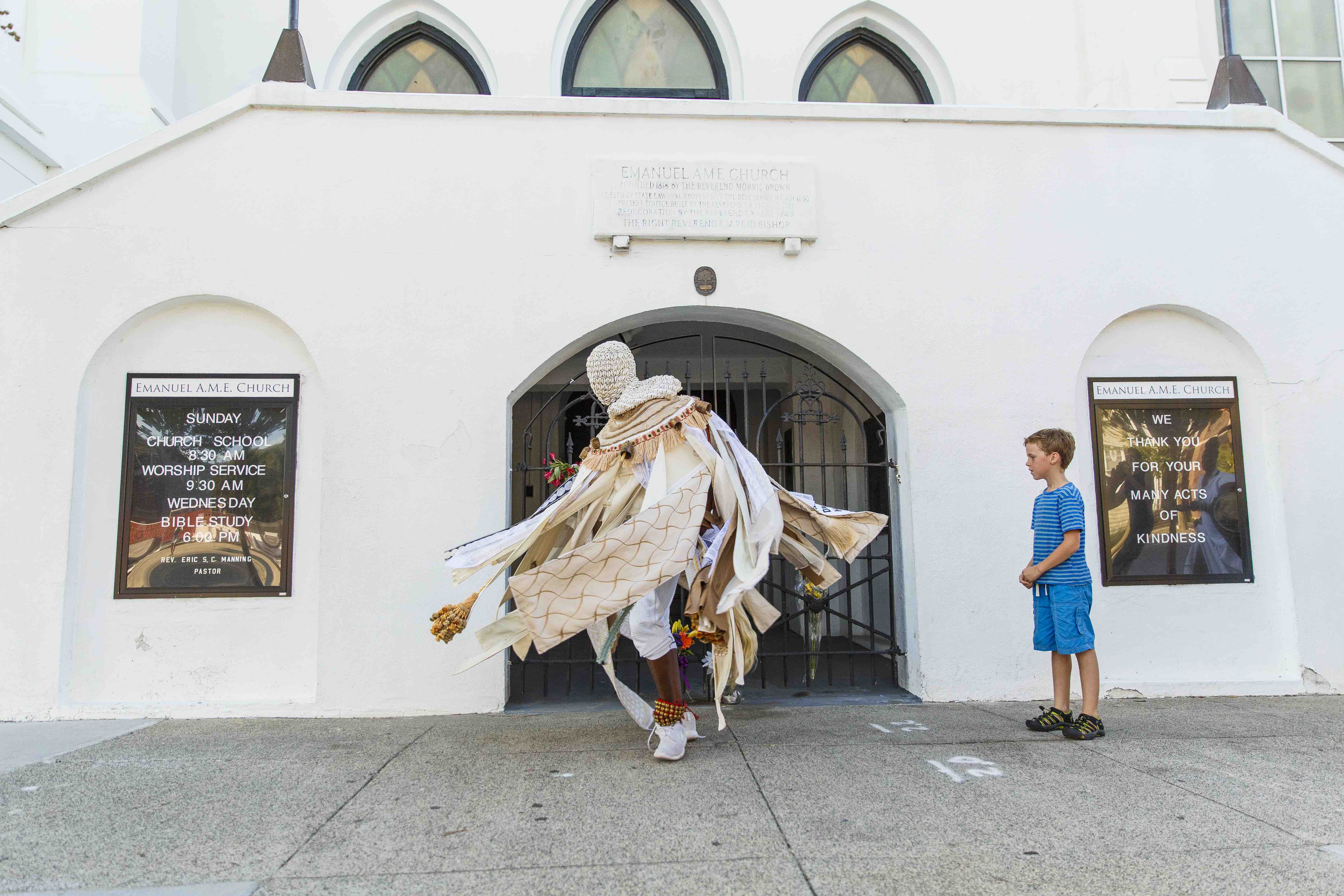
Pecou’s Egungun costume, which is displayed in the center of the show as if it were part of an anthropological exhibit, is a New World-Old World hybrid, a flywhisk and beaded cowry-shell mask blended with a hoodie, sweat pants and sneakers, while the strips of fabric, all in white, are emblazoned with the names of those who have become martyrs in the Black Lives Matter movement: Martin, Medgar, Walter, Freddy, Emmett, Trayvon, Michael. Wearing the costume, Pecou led a procession from Gadsden’s Wharf in Charleston, S.C., to the Halsey Institute of Contemporary Art to open his exhibition there in 2016, a performance made particularly prescient by the events in Charleston the following summer. For the exhibit, he recorded a similar performance in a darkened studio, images which became the source material for a group of life-size drawings that appear in the show. The photographs themselves are interspersed among a series of large paintings in Pecou’s direct, unembellished style. Like many of his previous works, in these paintings Pecou is the model, though he ceases to be the subject: with his face covered by the cowry-shell mask, he becomes the embodiment of so many spirit ancestors.
READ THE FULL STORY [+]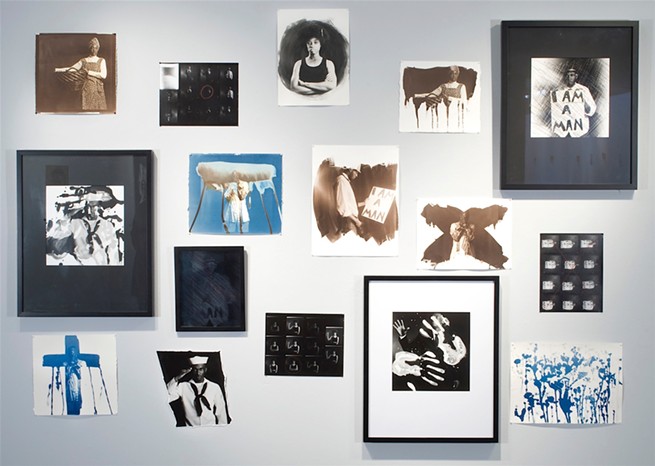
For Dontre Major’s last show as an art student, he put together a series of photographs on a subject he’d never had on display — the experience of being black in America. The work proved powerful enough to get him into College of Charleston’s 33rd Annual Juried Student Exhibition, or Young Contemporaries, as the exhibition is known at the Halsey Institute of Contemporary Art. It features the work of 48 student artists and is well-regarded in the college community.
Major is a CofC grad now, having taken the stroll across the stage in December, so it’s fitting that his “Black Amerikkka” photograph collection got its inspiration from a couple of working, out-in-the-world artists.
First, his teacher Michelle VanParys pushed him in the direction of the piece. Then listening to noted photographer Lyle Ashton Harris solidified Major’s resolve to explore a new subject in his work. To hear him talk about the art work and the people and how he was trying to show their feelings and emotions was inspiring, Major says.
READ THE FULL STORY [+]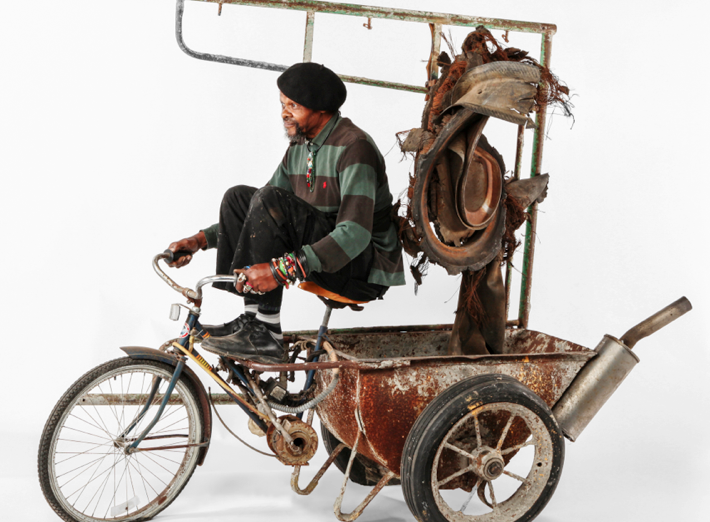
A central (and not uncommon) problem confronts the curator of a white-box gallery who wishes to exhibit the work of Lonnie Holley, an Alabama-born artist and musician typically described as self-taught or vernacular: how to present the work within the conventions established by this type of institution while also acknowledging that the artist’s animating presence is necessary to the artworks’ significance. As Bernard L. Herman argues in a persuasive essay in Something to Take My Place: The Art of Lonnie Holley, the catalogue accompanying a 2015 exhibition at the Halsey Institute of Contemporary Art, “Performance stands at the heart of Lonnie Holley’s art, in the sense that the works from which he creates found objects serve as repositories of ideas that await the enlivening moment when they are summoned forth” (35–36). Another, more recent (but unrelated) one-person show—Lonnie Holley: I Snuck Off the Slave Ship, at Atlanta Contemporary—reveals the stubbornness of museum practice and the necessity of finding ways to address its structural limitations.
READ THE FULL STORY [+]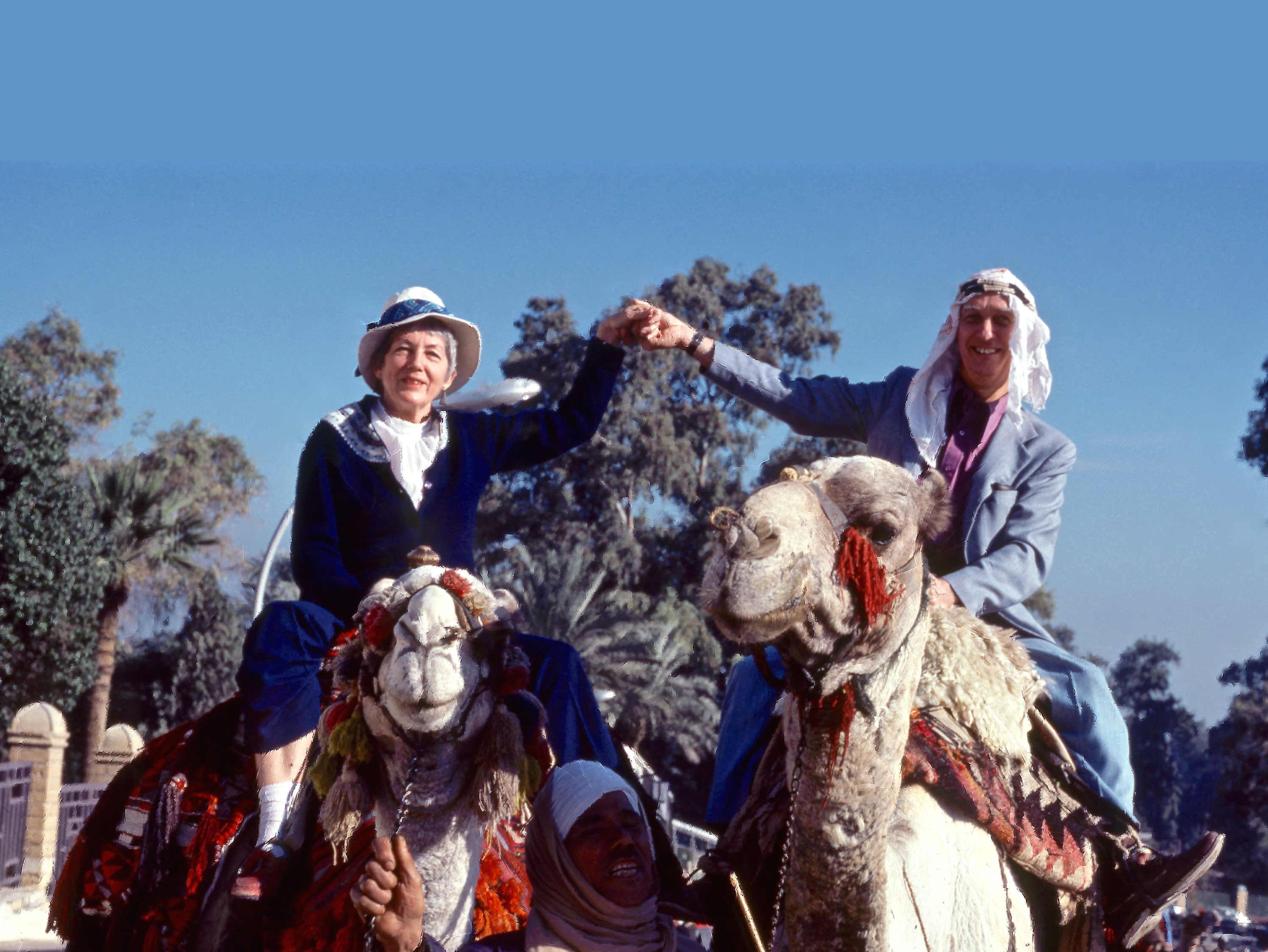
Next Wednesday, Mayor Tecklenburg will issue a proclamation officially declaring March 14 as William Halsey and Corrie McCallum Day in Charleston. The announcement, part of the Halsey Institute’s celebration honoring the couple, recognizes the invaluable contributions that the two made within the Charleston art community.
William Halsey and Corrie McCallum, after settling in Charleston in 1942, were not only renowned artists in their own right but were also pioneers in the city, particularly in the College of Charleston’s art department.
READ THE FULL STORY [+]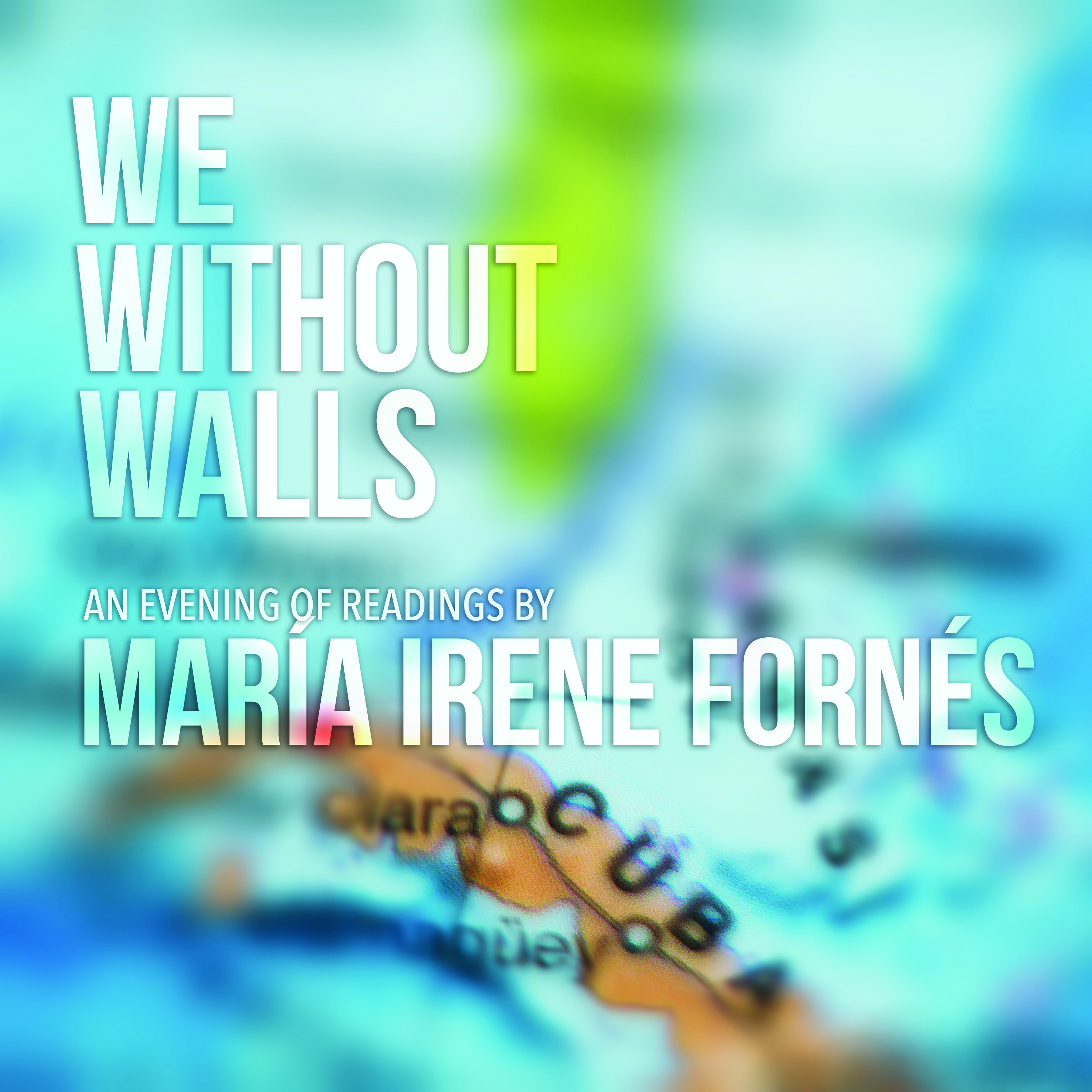
We Without Walls is part of the Dept. of Theatre and Dance’s educational outreach initiative that offers opportunities for in-depth explorations of theater history and dramaturgy to students and members of the community. Cuba en el Horizonte is an inter-disciplinary, semester-long project that recently included The Halsey’s Roberto Diago exhibit, La Historia Recordada.
In an interview with City Paper, Diago talked about his Afro-Cuban inspired work as it pertains to the cultural environment in Charleston, “This compares with the tradition in Charleston. Different things because, well, every place has its own dynamic, but there are things in common: the cultural resistance, how you adapt to adversity through music and religion, how they took instruments away from slaves and how they started using their bodies, their feet, to find rhythm.”
READ THE FULL STORY [+]
Inside the lobby of the Halsey Institute of Contemporary Art, artist Roberto Diago pointed me toward a cardboard box on the floor.
“Yeah, let’s talk here,” he said.
Diago’s friend, Carmen Santamarina, asked where I was from. When I answered ‘Dominican’, she said, “Oh well, we’re similar. Sit down.”
The cardboard boxes are part of a new composition titled “Las iniciales de la tierra,” or “The Initials of the Earth,” meant to outlast Diago’s current exhibition at the Halsey when it exhausts its run on March 3.
READ THE FULL STORY [+]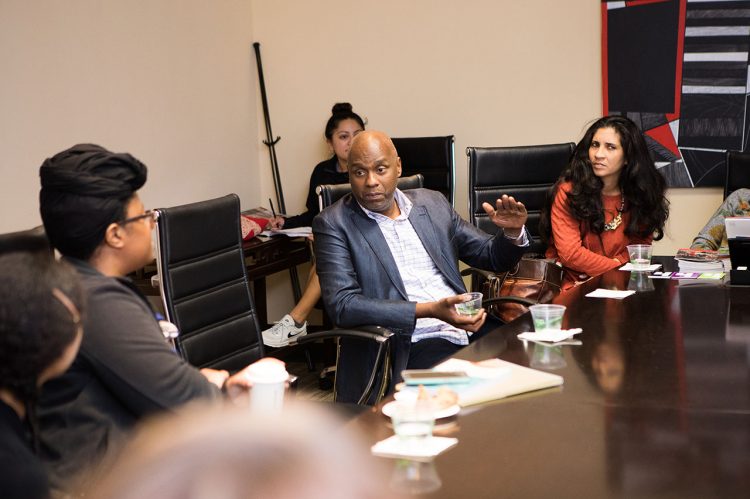
Cuban artist Roberto Diago met with students and faculty on Thursday, March 1, 2018, where they discussed subjects ranging from Cuba’s economy and Diago’s family history in the arts to the influence of the horrors of Boko Haram on his work.
Diago, whose visit precedes the conclusion of his exhibition “La historia recordada” at the Halsey Institute of Contemporary Art, welcomed questions from students and faculty alike during an intimate lunch. He cited the influence of Spanish artists on his art and responded in-depth to questions about the themes of racism in his work.
“Young people today can tap into new perspectives and ways of thinking, thanks to the internet and technology, but this was not the way of your parents and grandparents,” said Diago through an English translator, noting that the younger generation’s point of view gives him enormous hope that good things will happen, though progress may seem slow. “The future, that’s my work.”
READ THE FULL STORY [+]Cuban artist Roberto Diago will visit the College of Charleston March 1-3, 2018, ahead of the conclusion of his exhibition “La historia recordada” at the Halsey Institute of Contemporary Art.
Diago, whose work focuses on the roots and role of slavery in Cuban history, will hold a meet-and-greet for students and faculty from 11 a.m. to 1 p.m. on Thursday, March 1, 2018, in the Cato Center Conference Room. Then at 6 p.m. on Thursday, Diago will give a gallery talk on the “La historia recordada” exhibition at the Halsey, which will be free and open to the public. The exhibit is part of the College’s semester-long program Cuba en el Horizonte, which examines this island nation’s history, politics, economy, culture and art.
READ THE FULL STORY [+]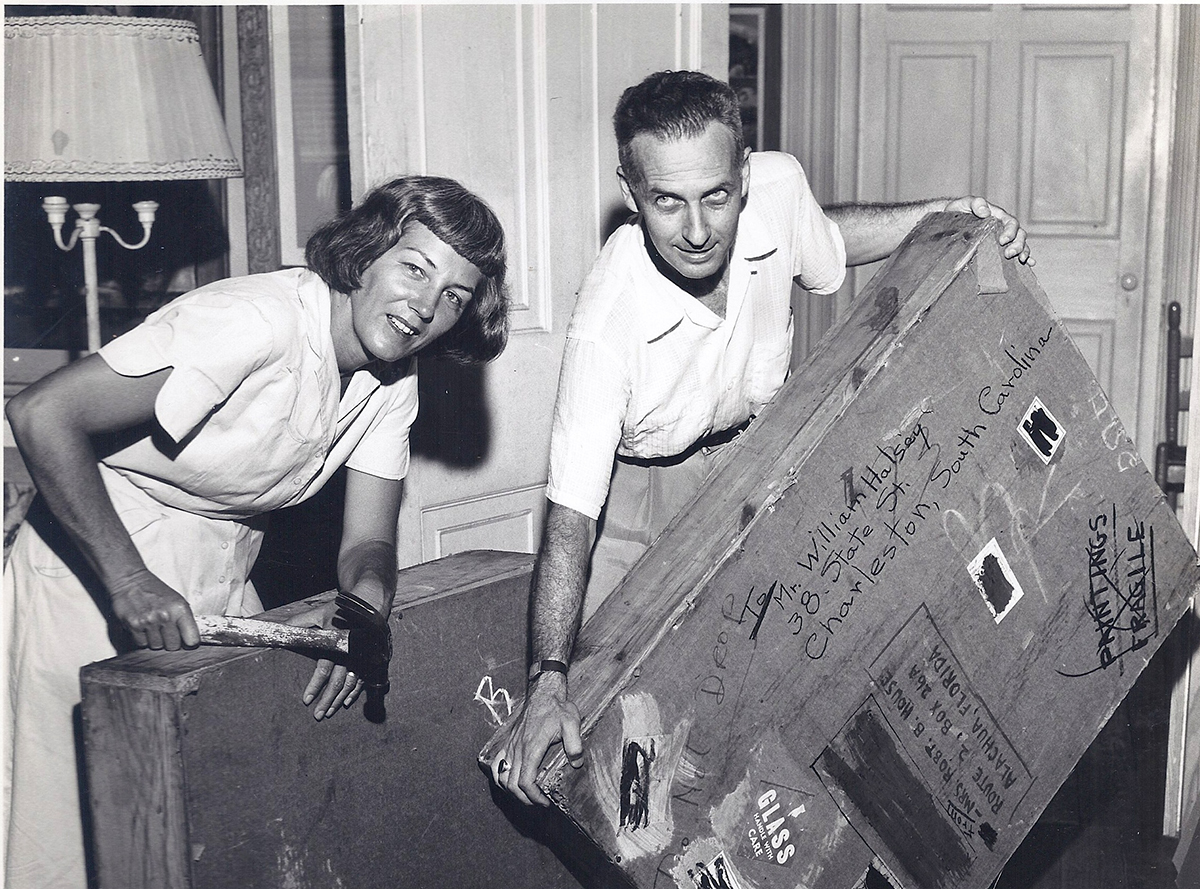
The Halsey Institute of Contemporary Art at the College of Charleston is proud to present A Halsey & McCallum Celebration on Wednesday, March 14 at 7 p.m. in the Recital Hall of the Simons Center for the Arts on the College of Charleston campus, 54 St. Philip Street. The event is free to attend for College of Charleston students and Halsey Institute members. Halsey Institute memberships begin at $40 for individuals, $20 for K-12 educators, and $17.70 for CofC students. Members receive a variety of stratified perks including discounts to local businesses, artworks, and events.
READ THE FULL STORY [+]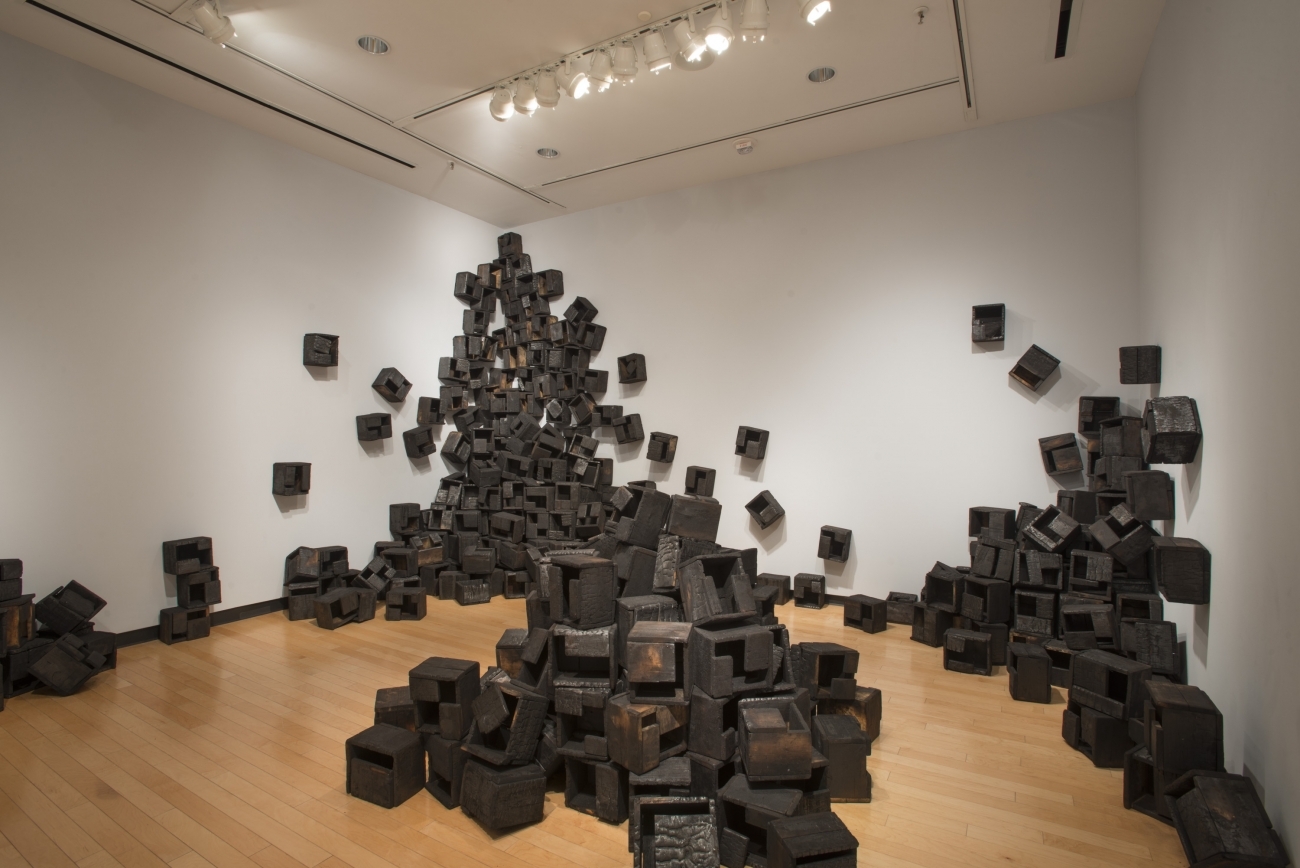
Big news Charleston — Afro-Cuban artist Roberto Diago, whose exhibit, La Historia Recordada is currently on display at the Halsey, is headed to the United States later this month. Getting Diago here from Cuba was no easy feat, so if you have the chance to come see or speak with the artist (political science professor Mark Long will assist with translating), you definitely should.
Diago will be creating a new installation when he’s in town, The Initials of the Earth, comprised of metal buckets, water, cartons, and canvas. He’ll be working in the gallery, and viewers are invited to witness him at work each day, some time during 11 a.m.-4 p.m., March 1-3. In addition to creating The Initials of the Earth, Diago will give a gallery talk and visit College of Charleston classrooms.
READ THE FULL STORY [+]